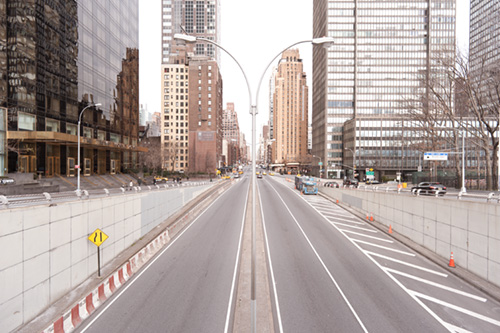
New World
Inspired by The Symphony No. 9 in E Minor “From the New World” by Antonín Dvorák.

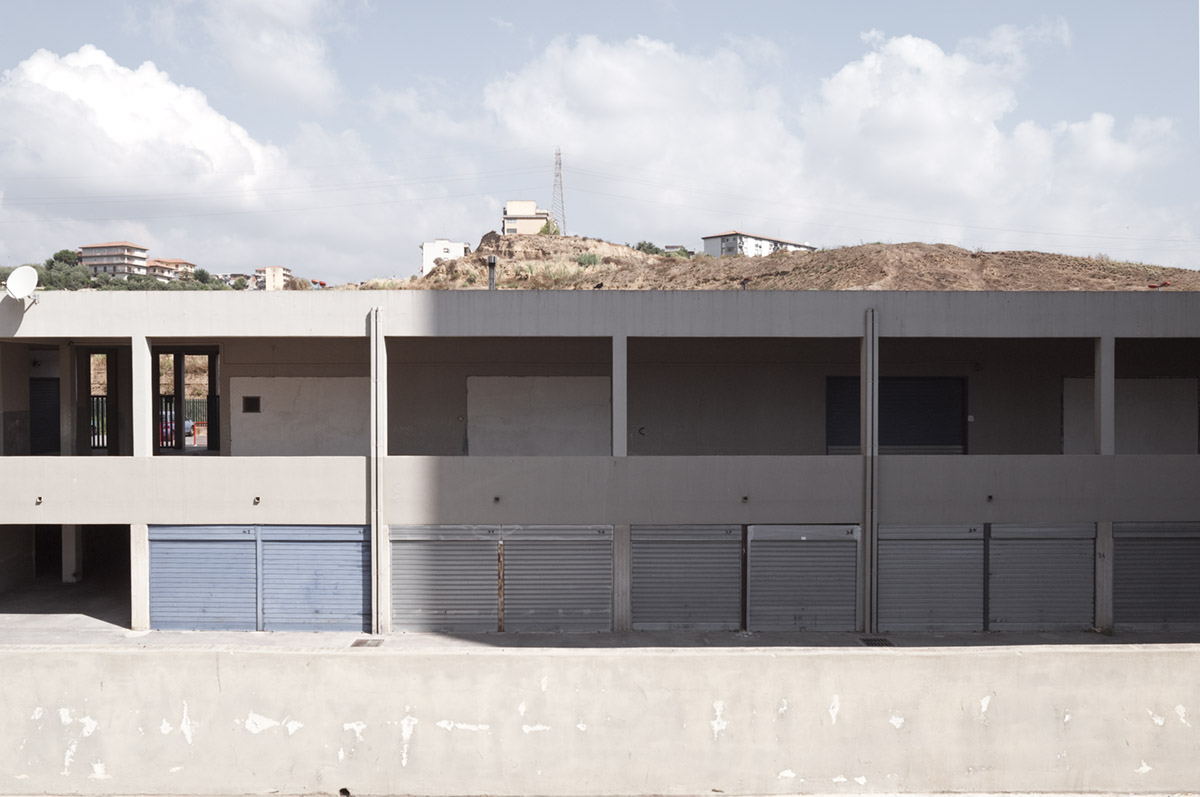
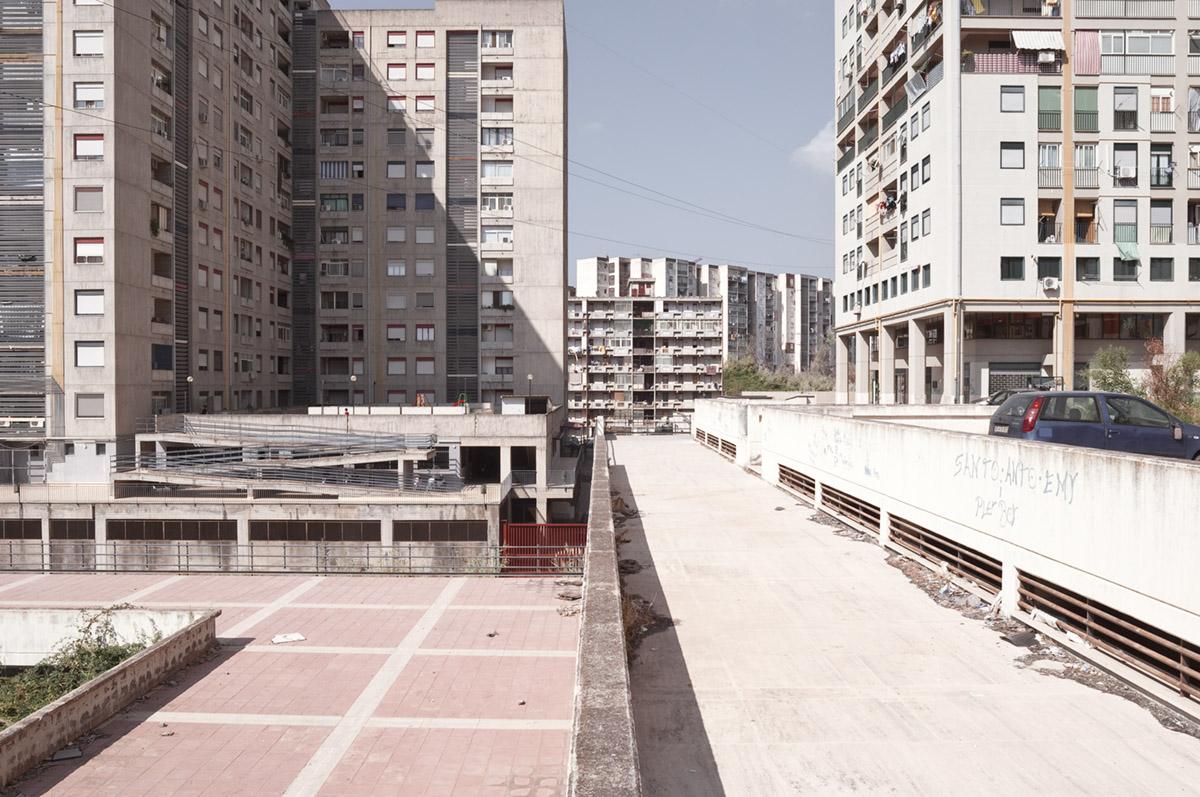
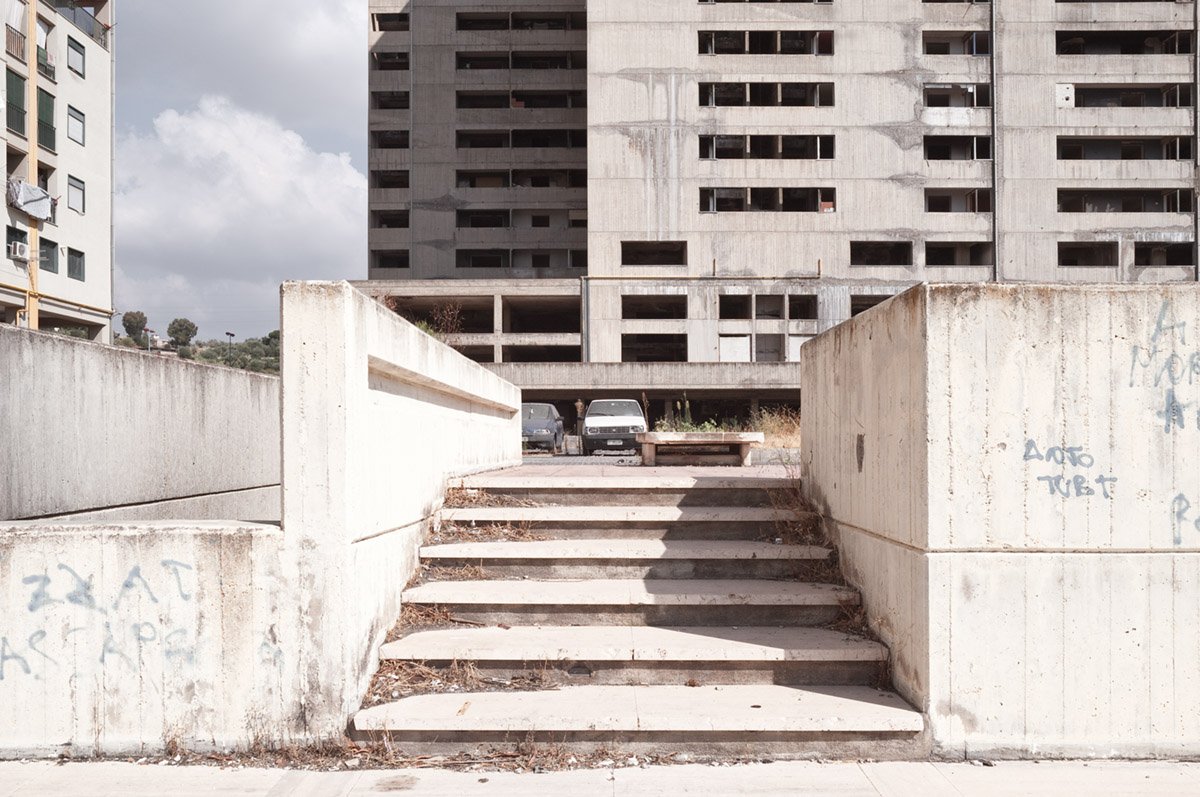
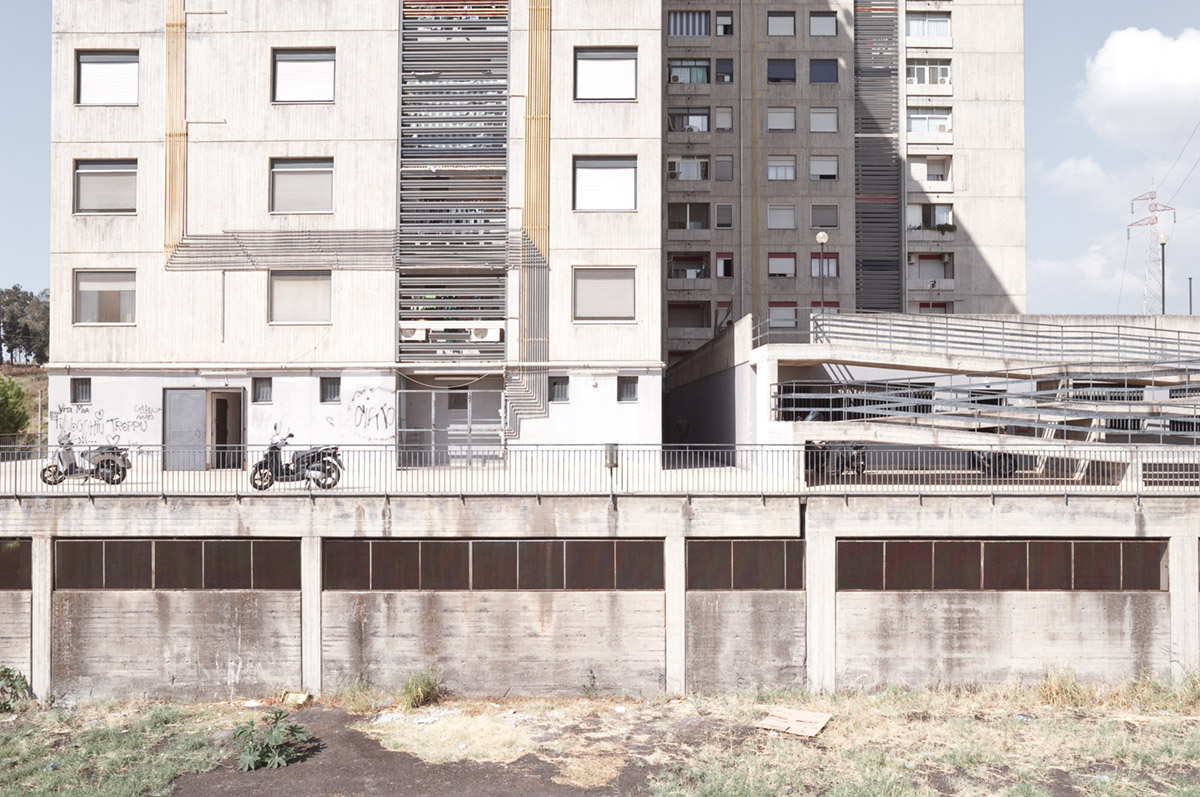
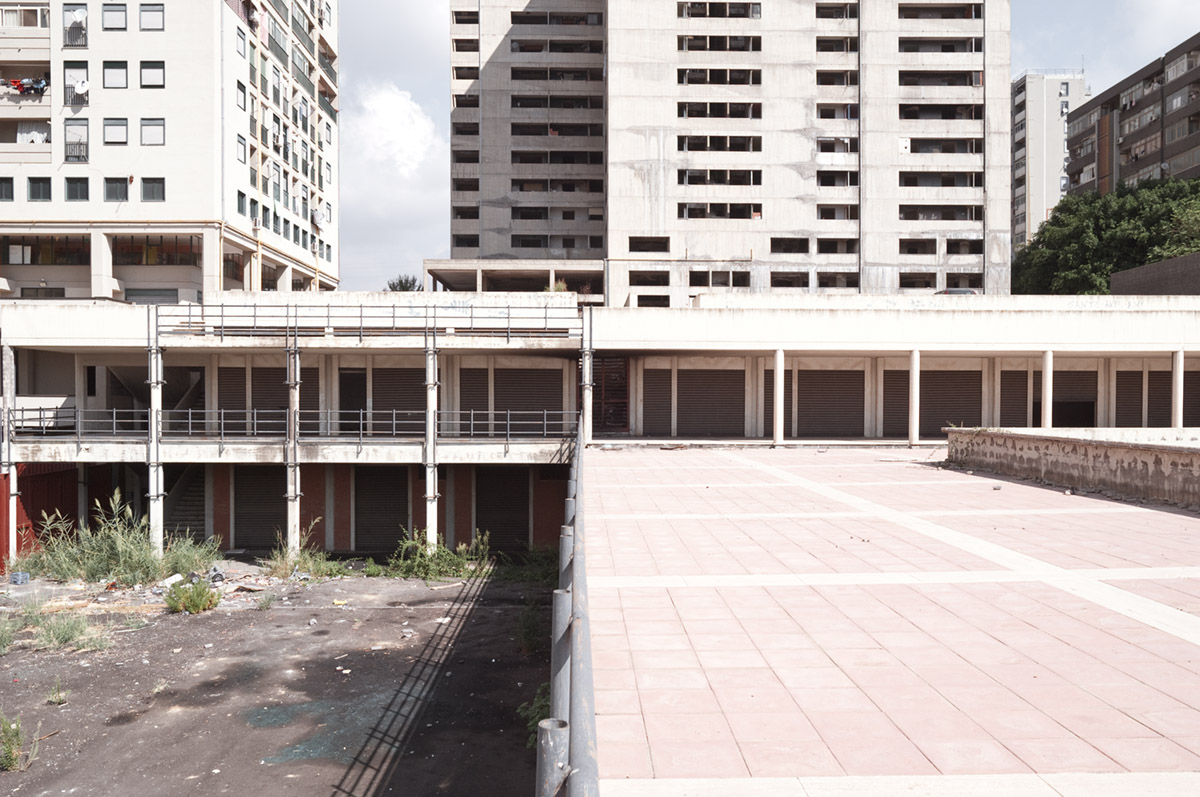
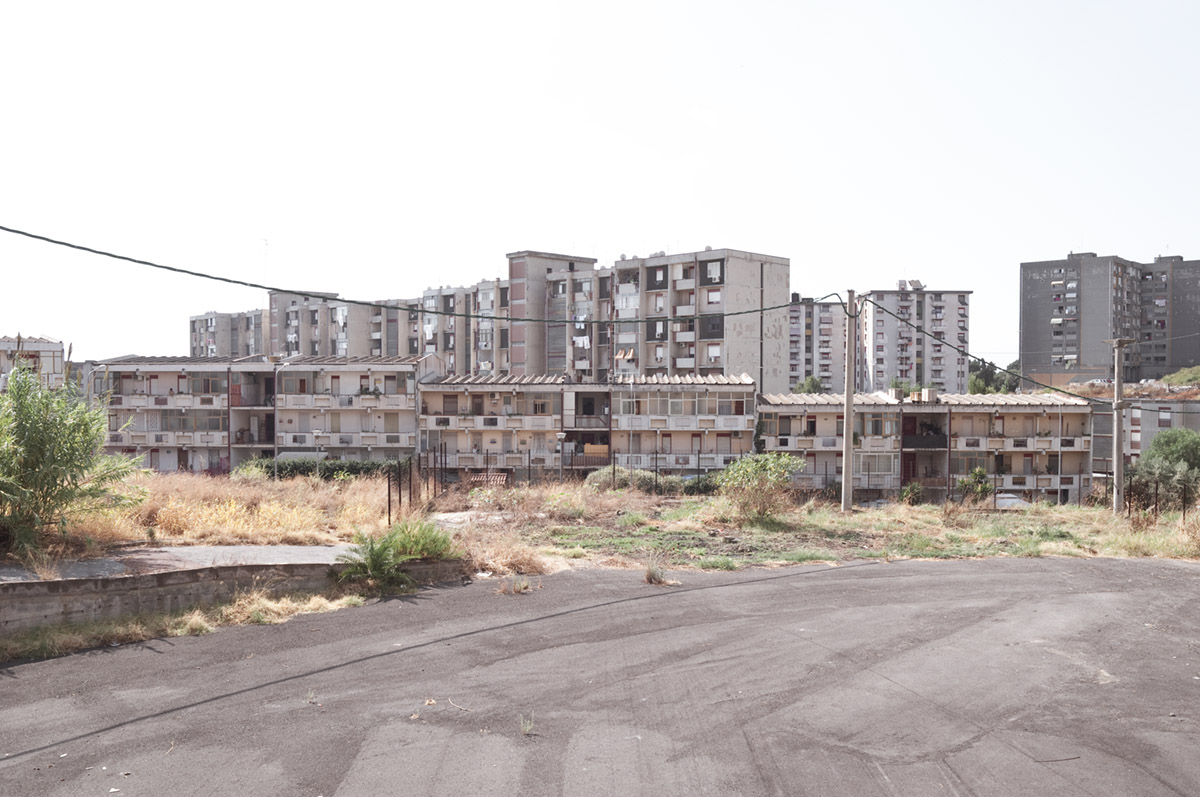
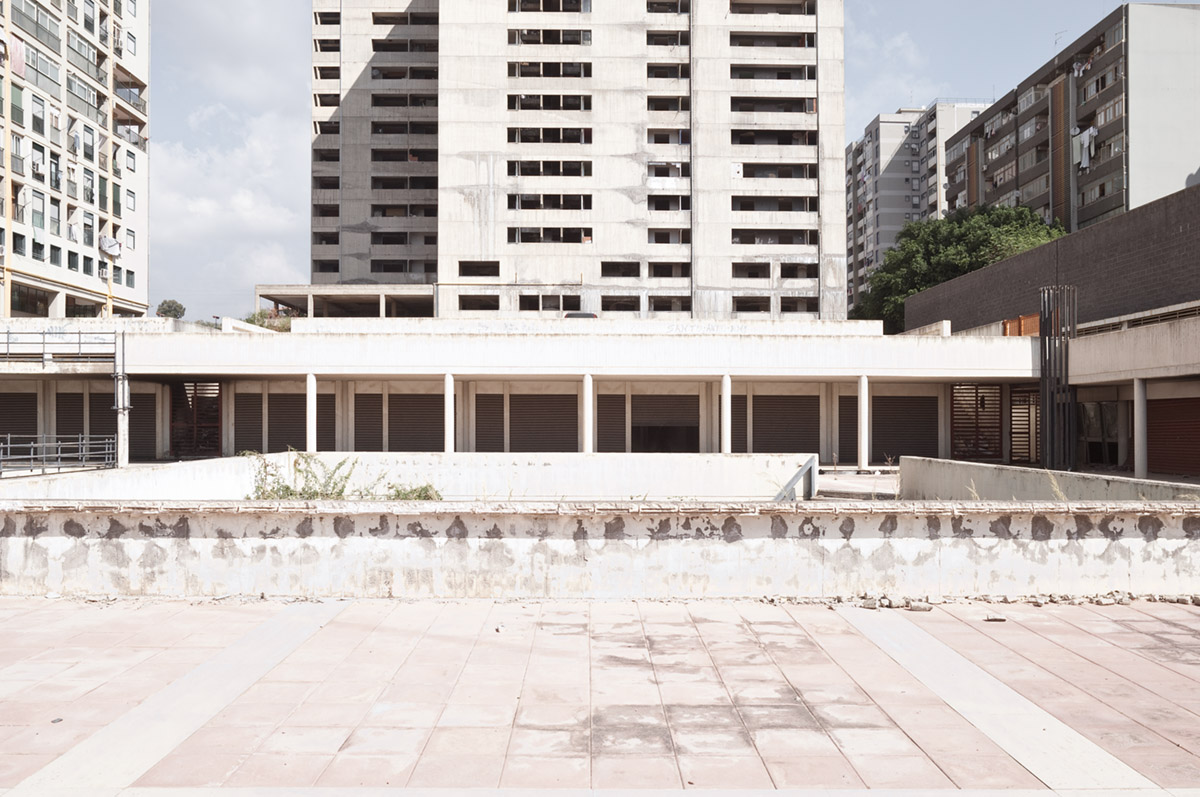
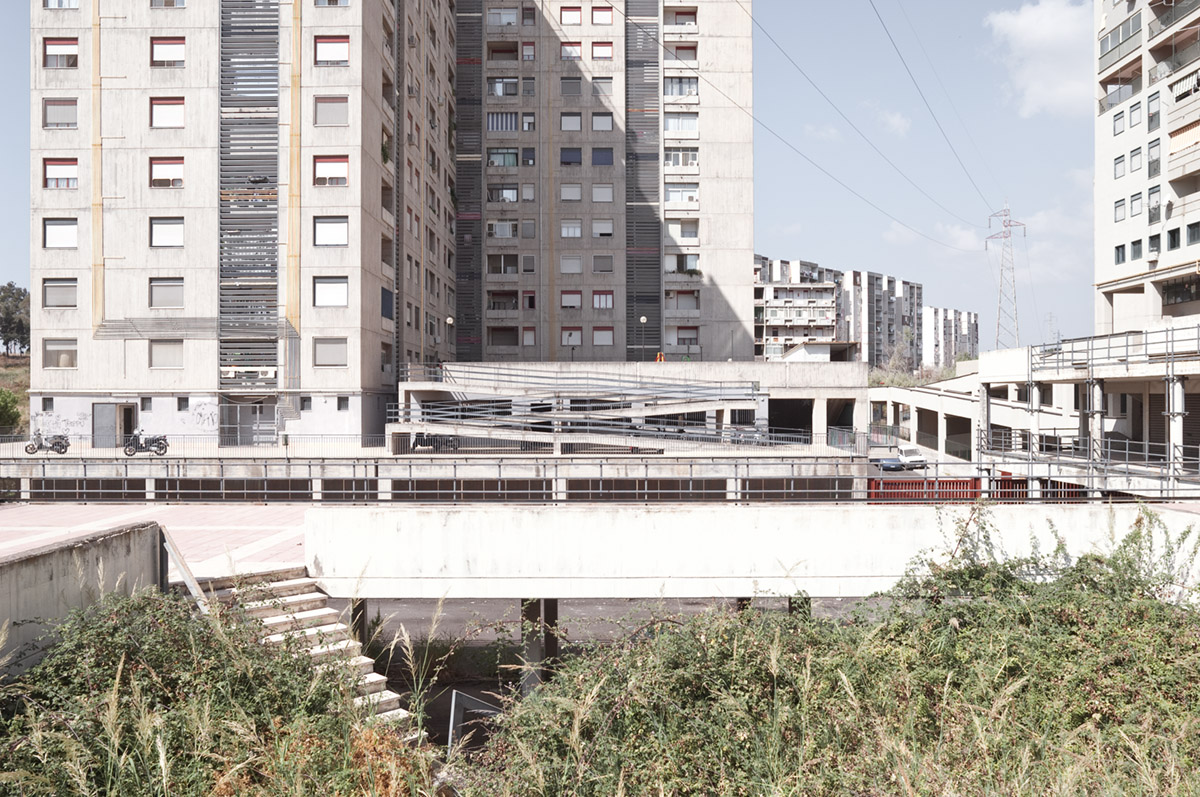
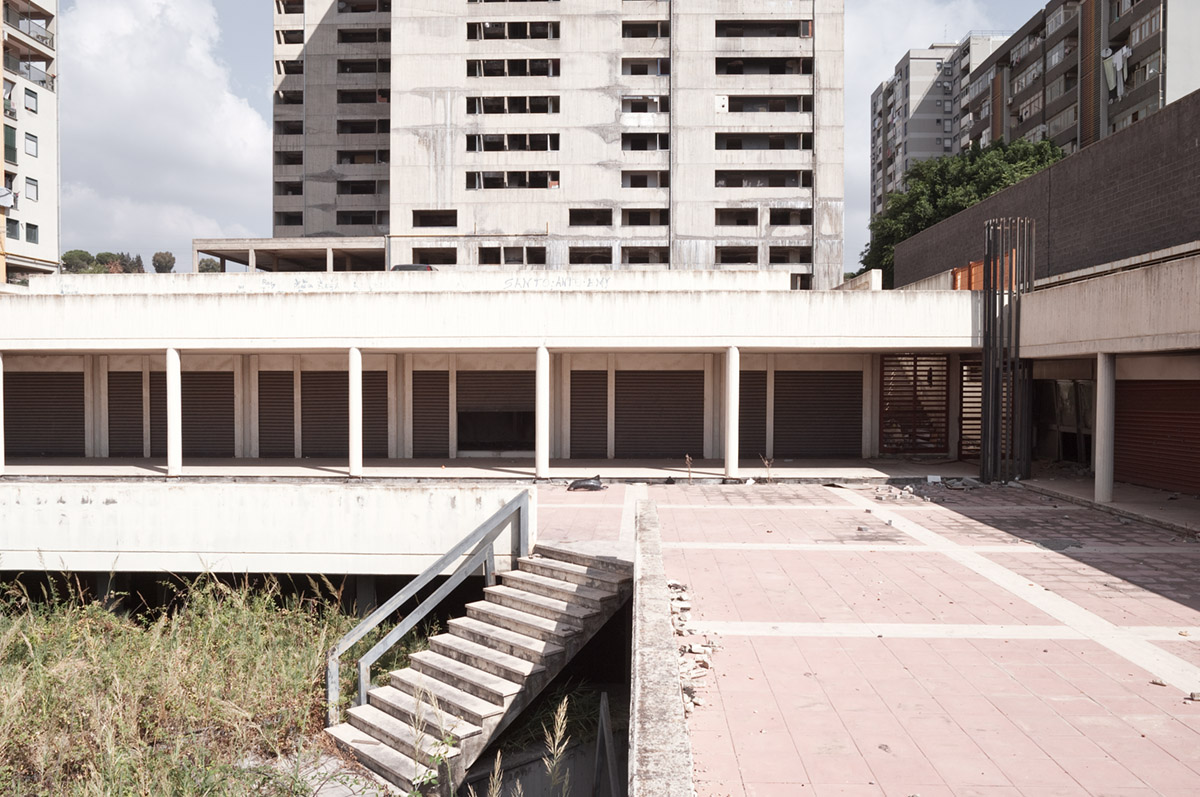

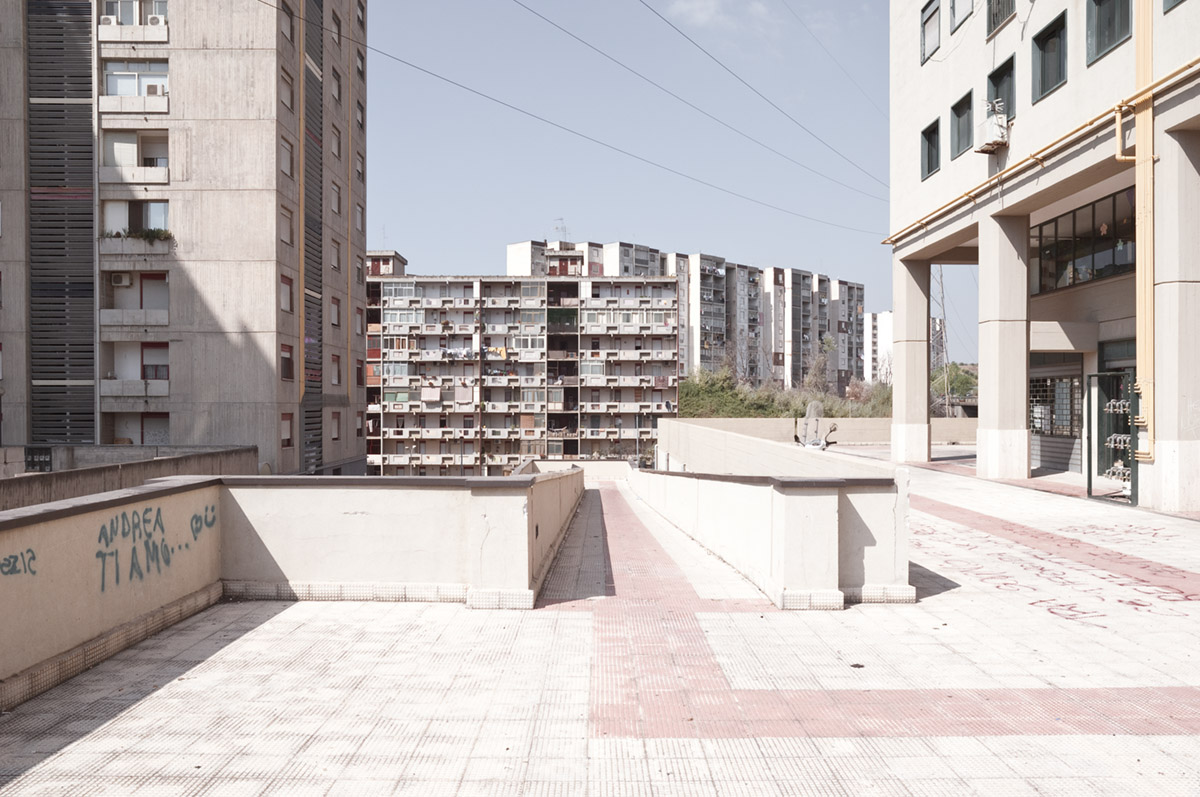
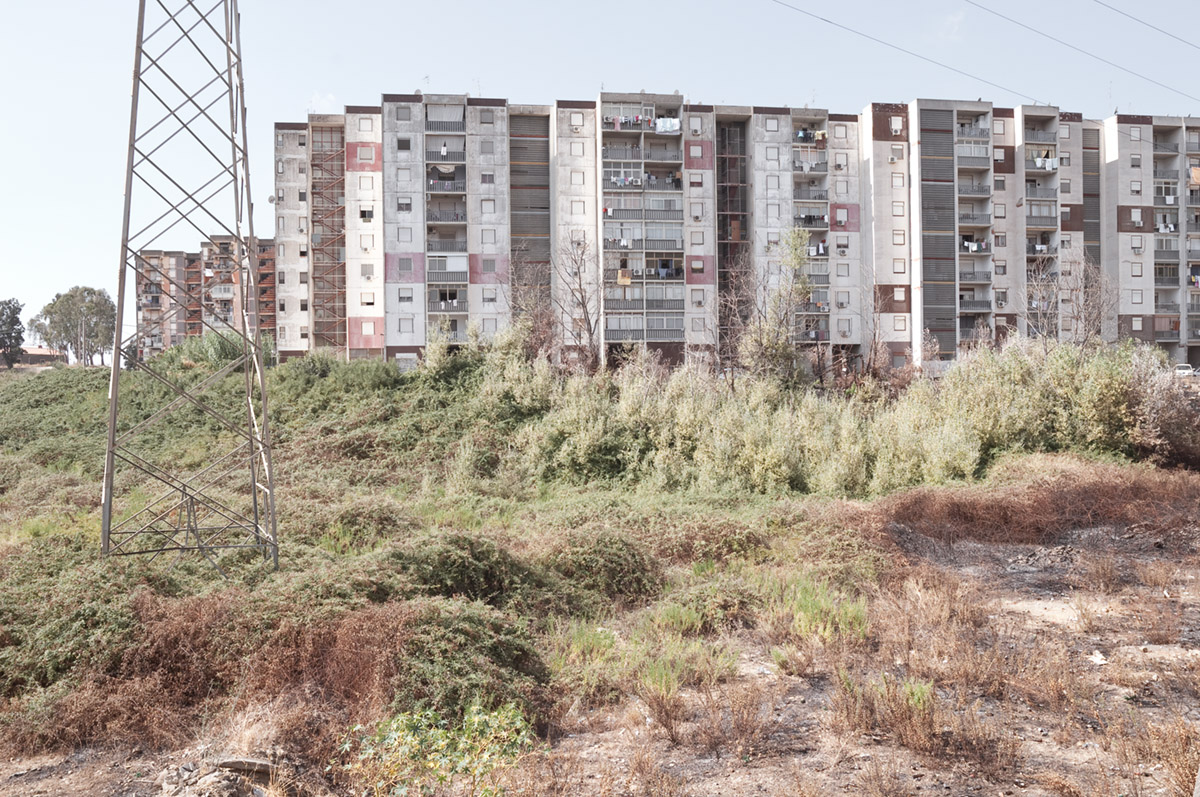
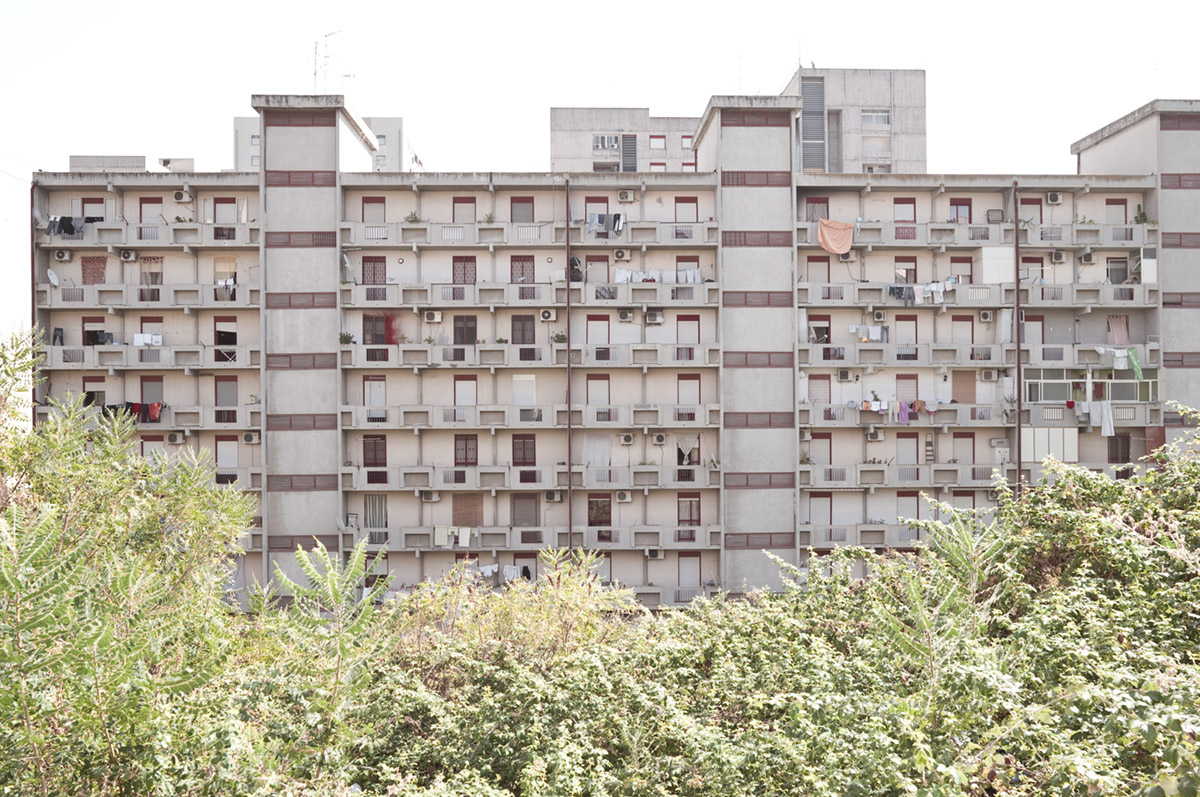
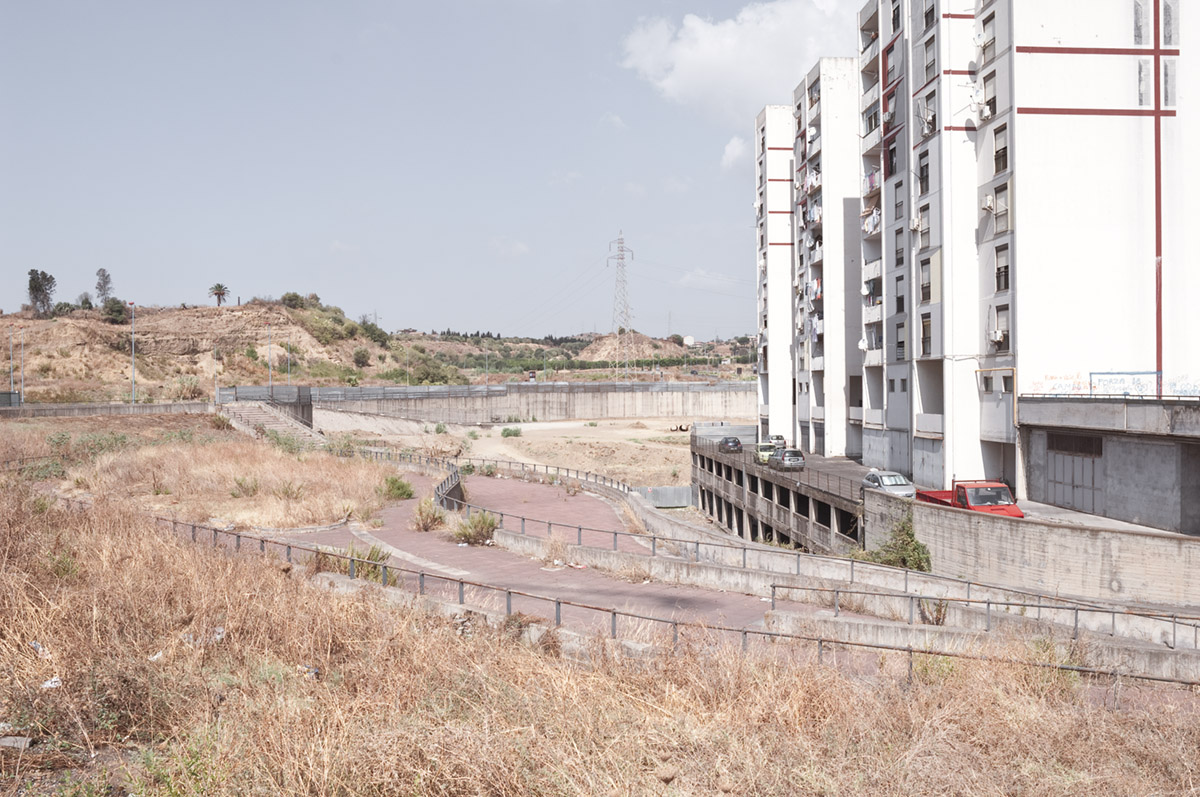
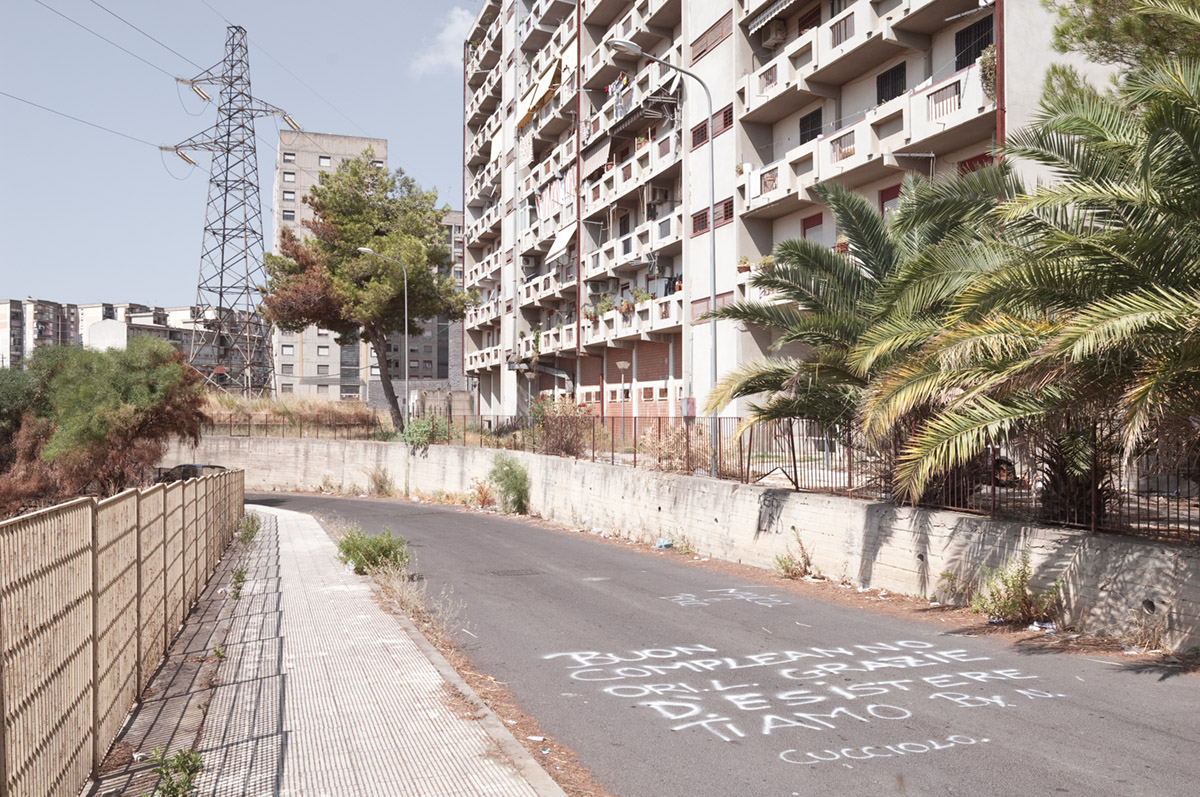
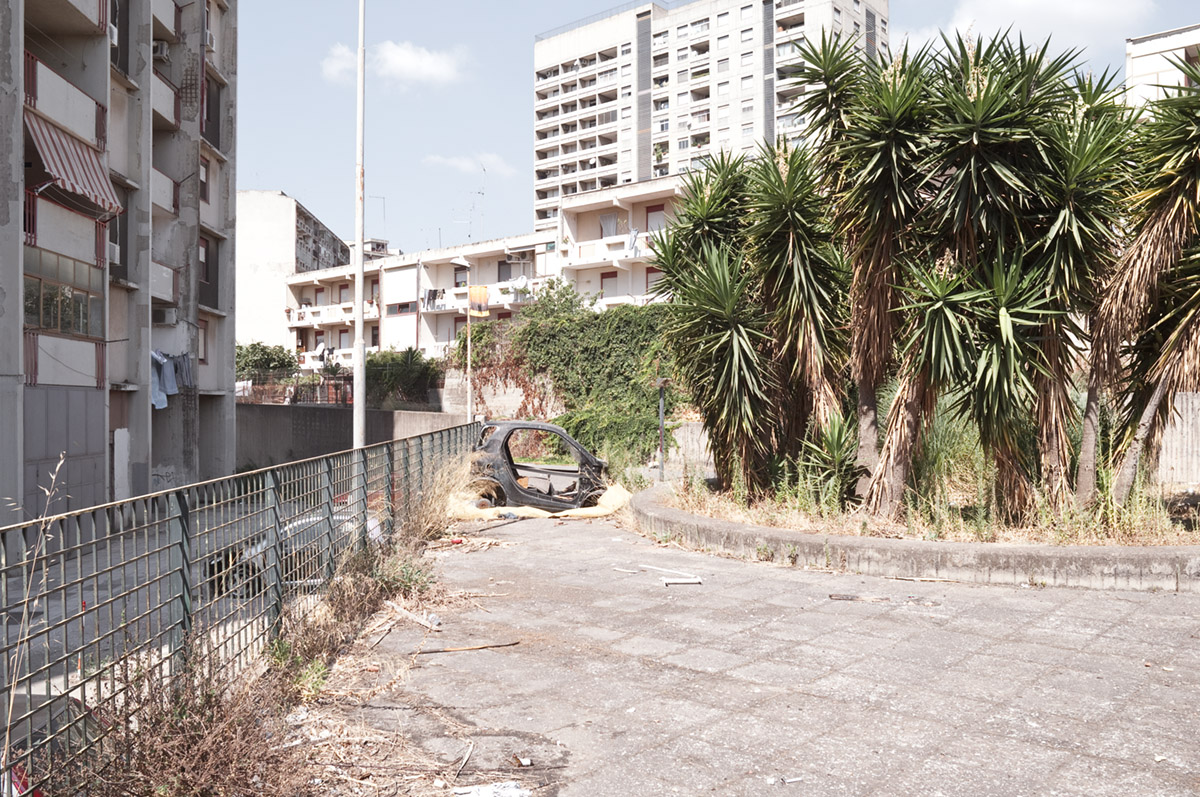
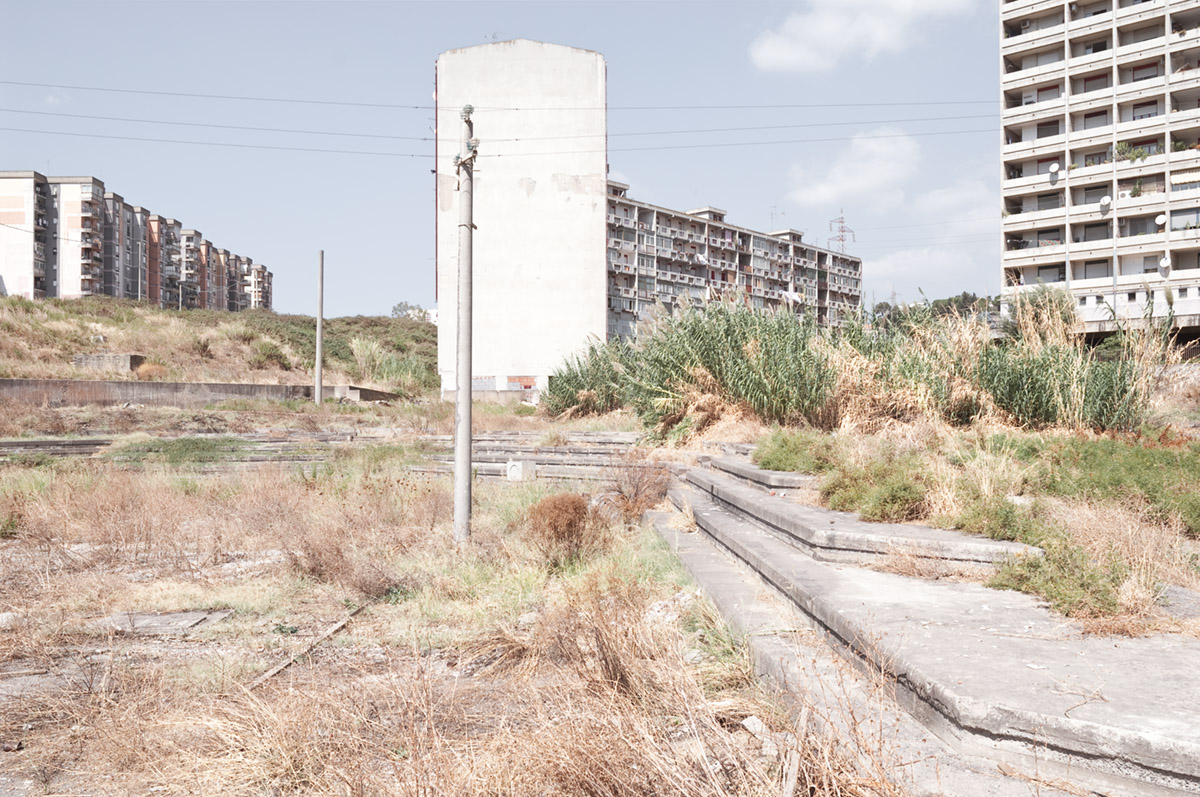
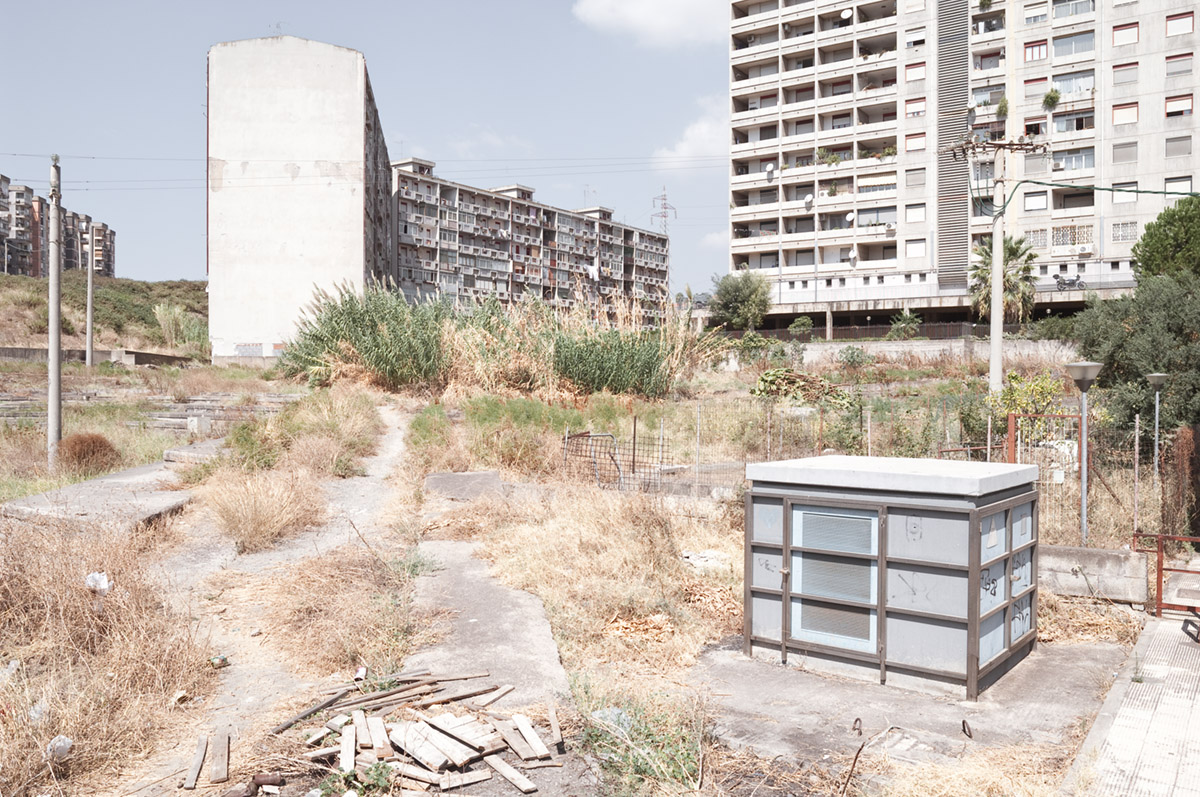
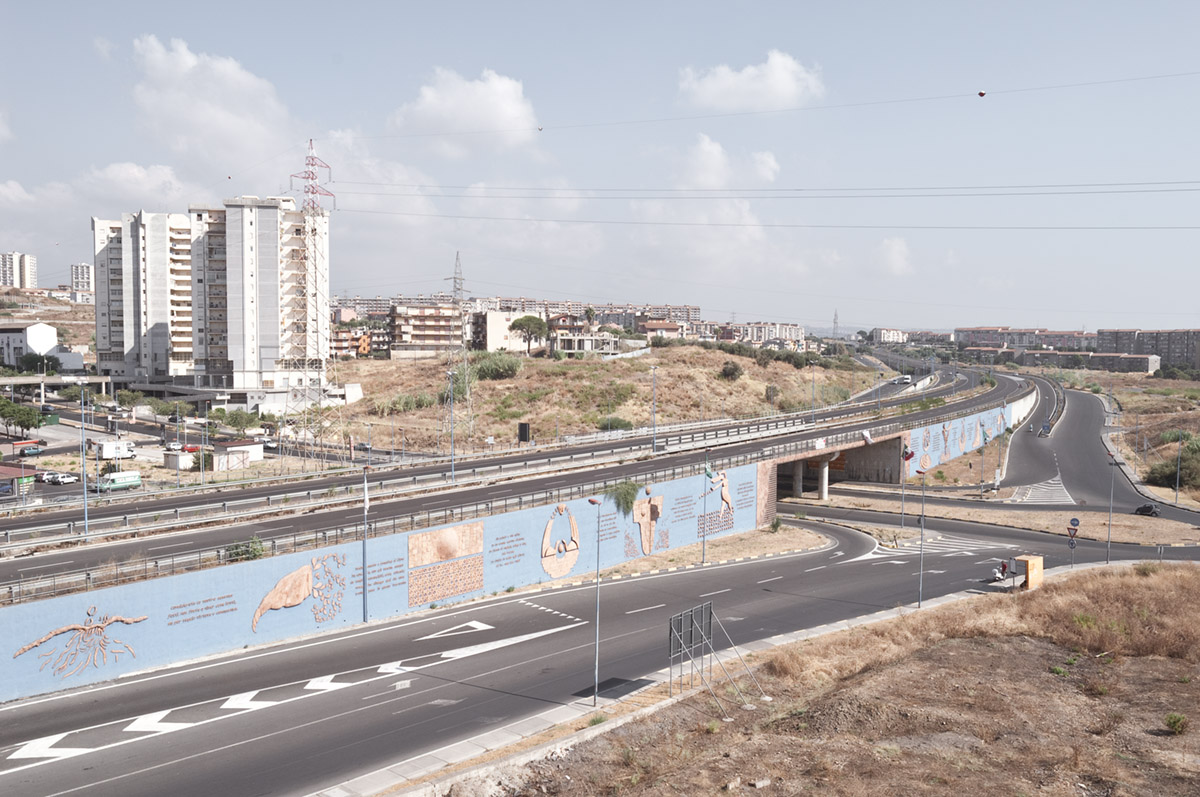
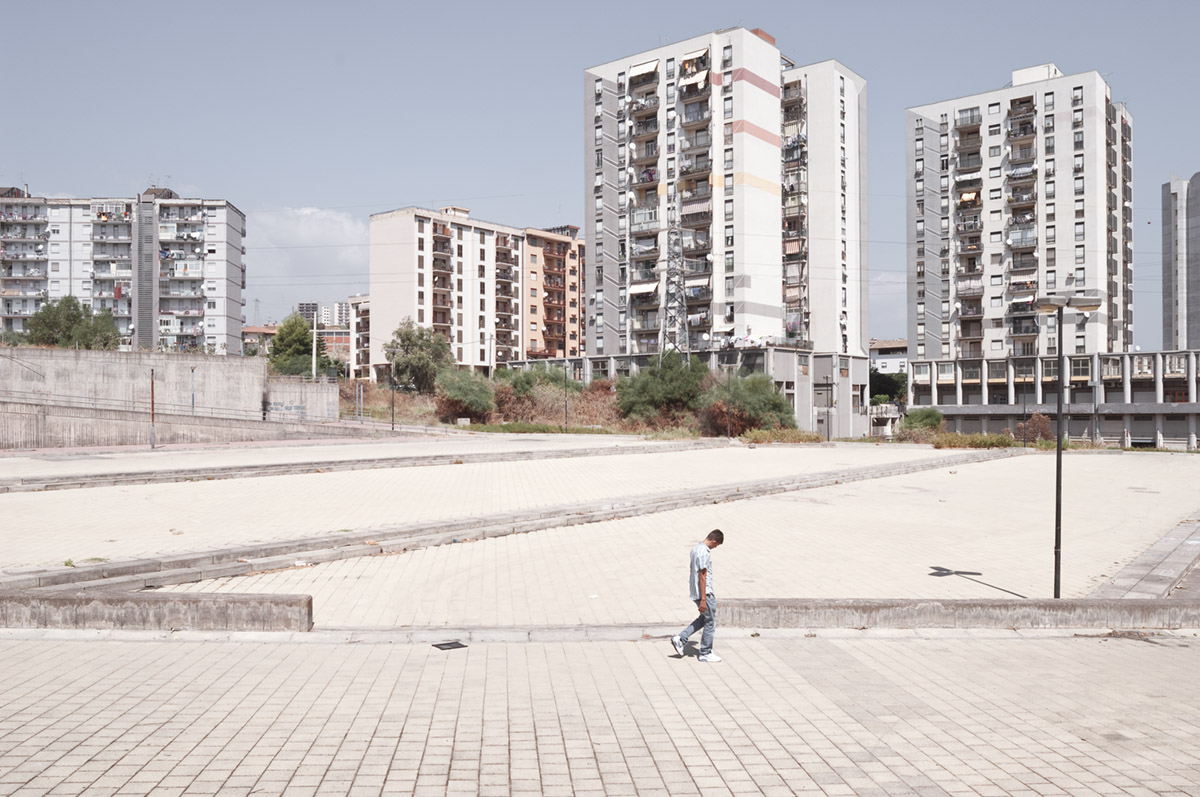
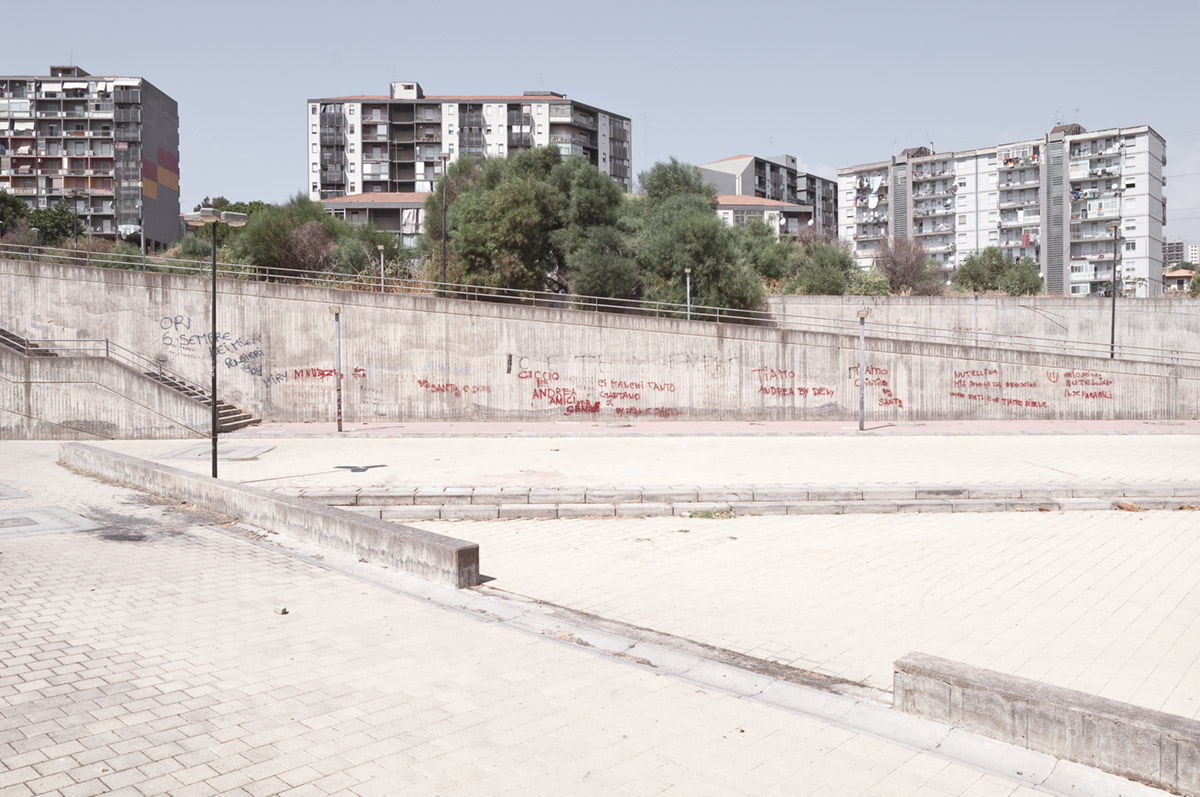
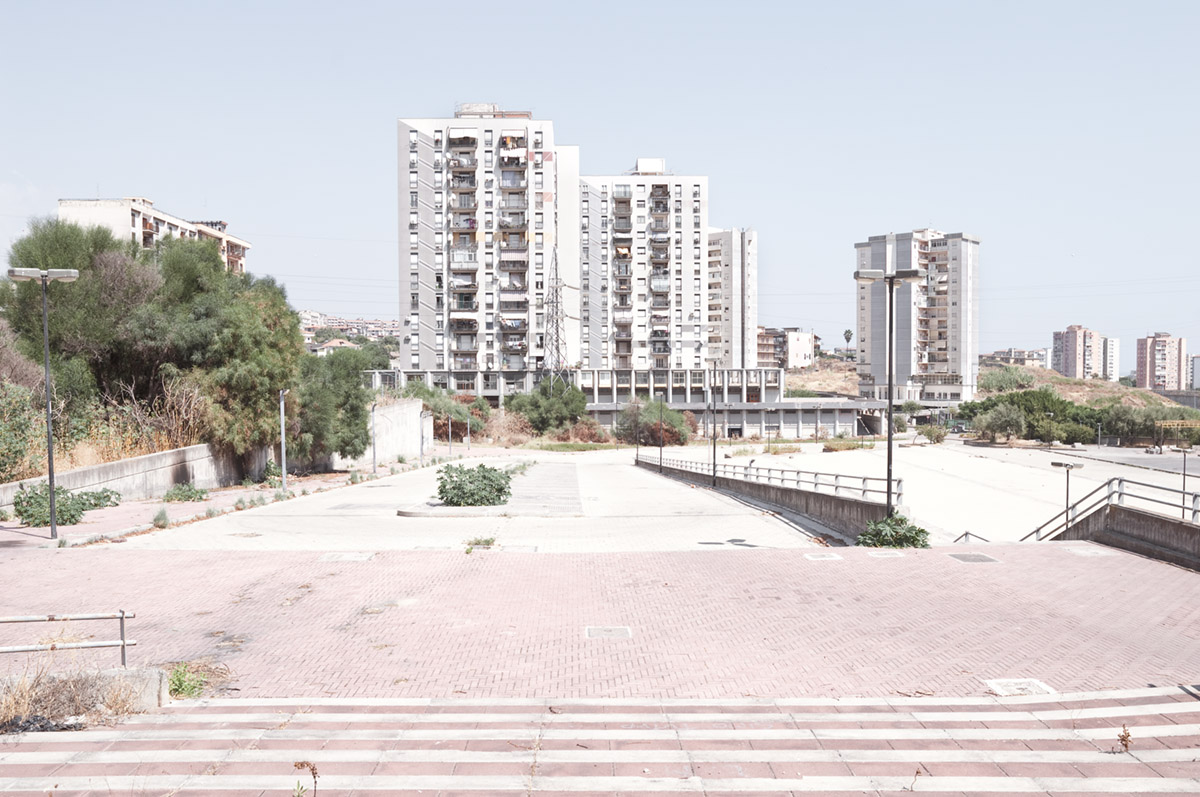
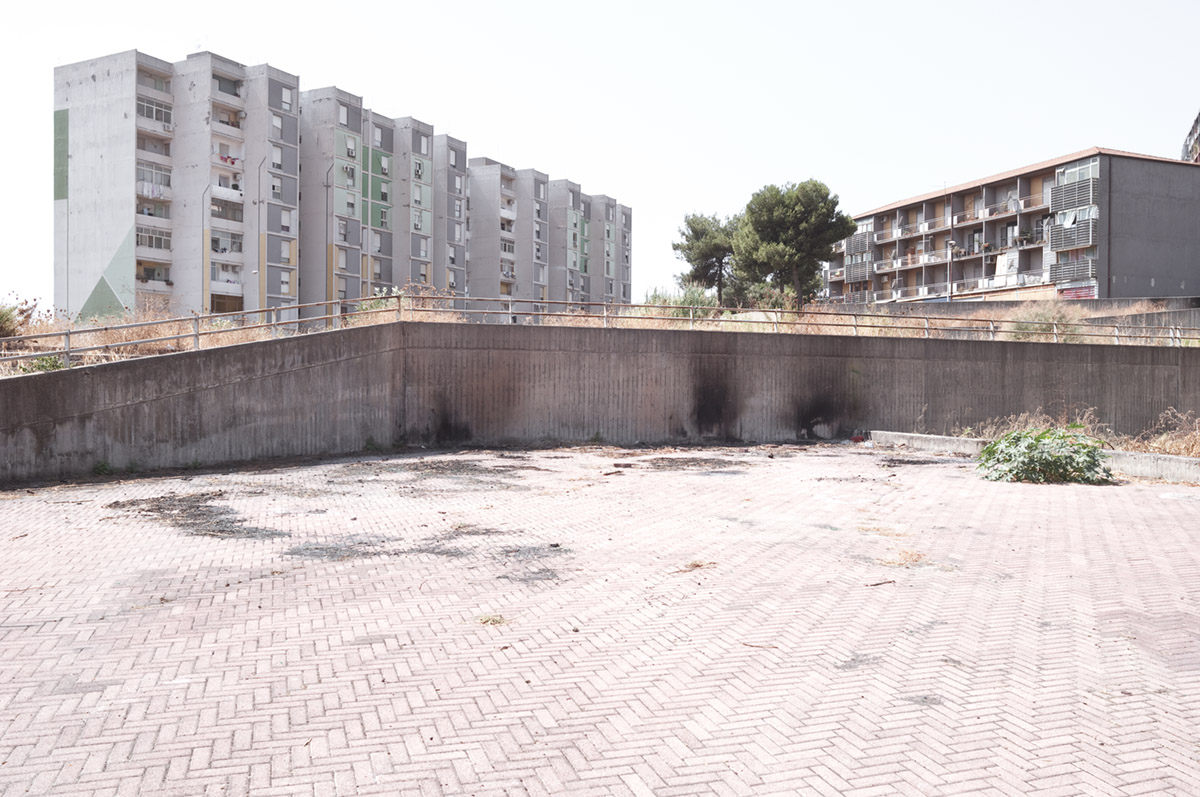
Inspired by The Symphony No. 9 in E Minor “From the New World” by Antonín Dvorák.
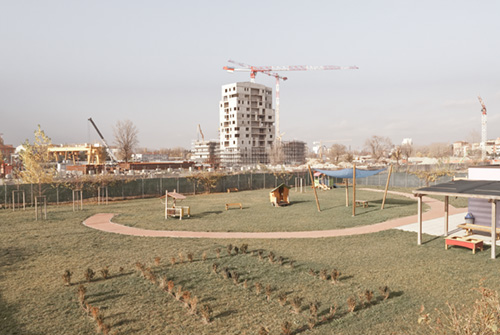
Images from the building site of Trilogia Navile, a project for residential buildings located inside the former fruit and vegetable market of Bologna.
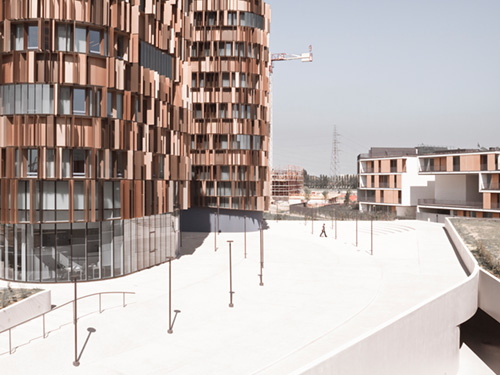
Rendering the City rebuilds the idea of a city through photographs.
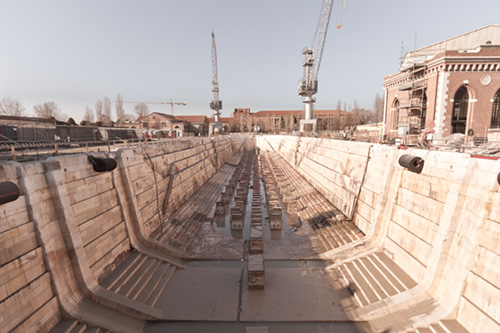
MOSE, acronym for Modulo sperimentale elettromeccanico (applied electromechanical module), is a system of mobile barriers meant to protect the city of Venice and its lagoon from the “acqua alta” phenomenon.
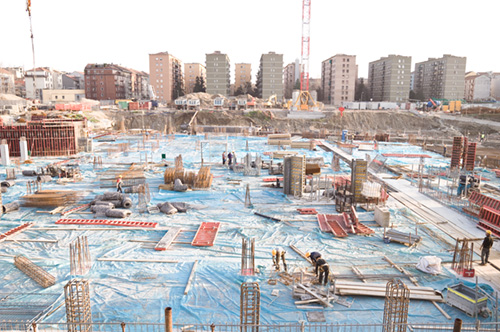
A “suspended” look on Milan. From above people’s heads, but not too high, see a city that seeks to change, once again.
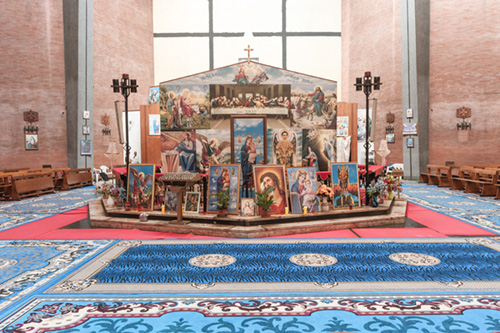
The case of the former Paolo Pini psychiatric hospital in Milan.
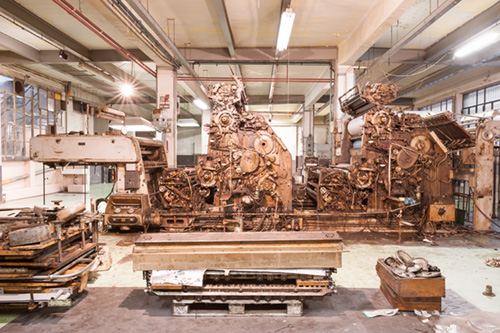
Il viaggio di Roland Ultra (“The Travels of Roland Ultra”) began with the desire to encounter new people and places, and experience a fresh start.
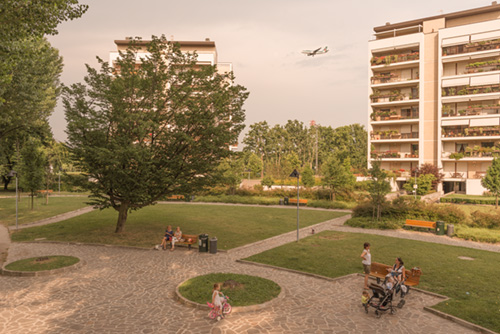
In San Donato, as elsewhere, the continuity of collective space is an interructed project.
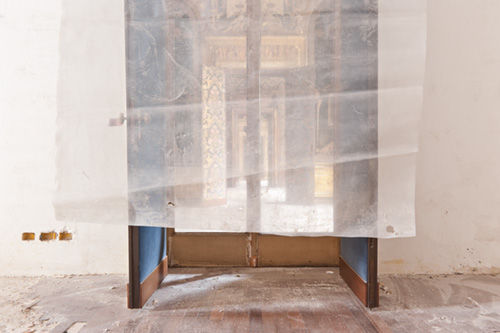
Spaces of metamorphosis that with ease “jump” from the new to the old, from the historical to the added.
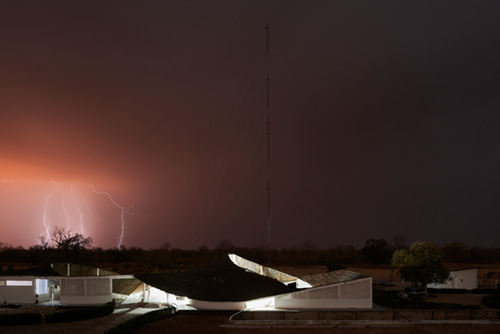
A documentation of the present situation and a first step in the study of how electric light could change the life of the village.
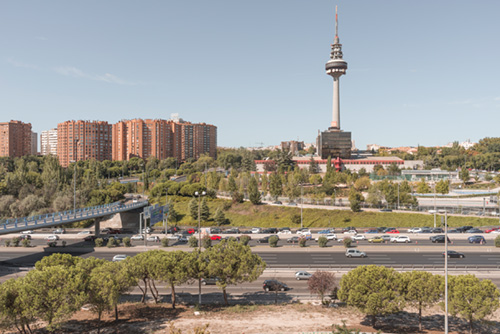
In 2017 Giovanni Hänninen was called by Giovanna Calvenzi of Studio Basilico to continue Gabriele Basilico’s work on the three European cities with a circular structure: Moscow, Milan, Madrid.
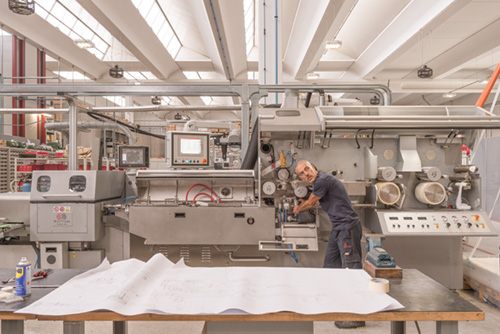
The British American Tobacco is the second largest cigarette company in the world.
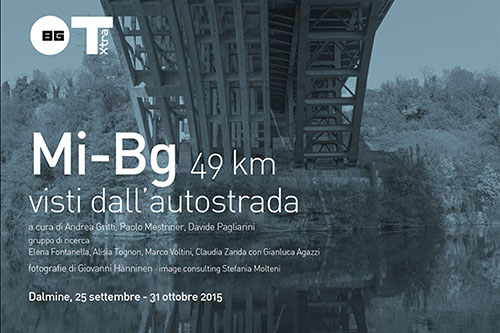
The research dedicated to the 49km of motorway connecting Milan to Bergamo.
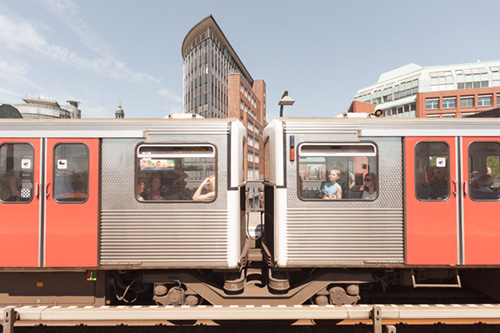
Bicocca in Milan, Island Brygge in Copenhagen, Hafen City in Hamburg: three major urban transformation projects.
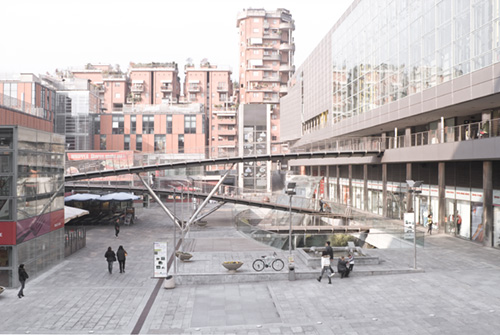
Images form the Spina 3 neighbourhood, built in Turin on the area once occupied by the Fiat ironworks and the plants of Michelin, Savigliano and Paracchi.
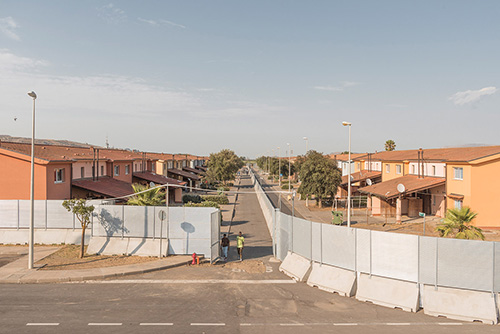
In the middle of Sicily, surrounded by orange fields, CARA di Mineo is a state funded migration Center for Asylum seekers, the biggest reception center in Europe
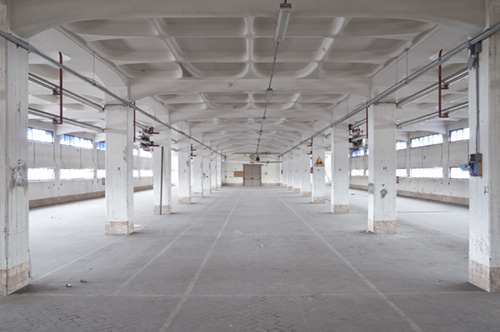
Images from the former tobacco factory of Bologna. A photo documentation by Giovanni Hänninen commissioned by Istituto Beni Culturali – Regione Emilia Romagna.